

How Often Should my Highland Dancer Practice at Home?
Achieving Your Dance Potential: The Power of Practice
As dance educators, we get asked a lot of questions from parents and dancers alike. One of the most common is: “How much should my dancer practice at home?”
Whether your child is just starting out or is a competitive dancer, practice plays a crucial role in helping them grow and succeed in their dance journey. But practice doesn’t have to feel like a chore. In fact, when done right, it can be fun, fulfilling, and incredibly rewarding!
So, why is practice so important in dance, and how can you make the most of your time between classes? Let’s dive into the why and how of effective practice and break it down by age and skill level.

Why Practicing Dance at Home Matters
Just like learning to play an instrument or a new sport, dance requires repetition to build skill and confidence. It’s not just about clocking in hours; it’s about reinforcing what’s learned in class so it can stick. Here are some key reasons why practice is essential:
- Reinforcement: Practicing helps dancers reinforce what they’ve learned in class, so they’re ready to learn the next thing! This will make sure they’re getting the MOST out of their dance classes.
- Progress: Consistent practice keeps momentum going and allows dancers to take on new challenges.
- Muscle Memory: Regularly repeating movements trains the body to remember them automatically.
- Confidence: The more you practice, the more comfortable and confident you become in your abilities.
Whether it’s highland dance or any other form, creating a solid practice routine can help dancers of all ages and levels reach their potential.
At-Home Dance Practice Tips by Age and Skill Level
Not all practice routines are created equal. What works for a young beginner might look different from what an experienced competitor needs. Let’s break it down by age and skill level so you can create a practice routine that’s tailored to your dancer.

Ages 1-6: Keeping it Fun and Simple
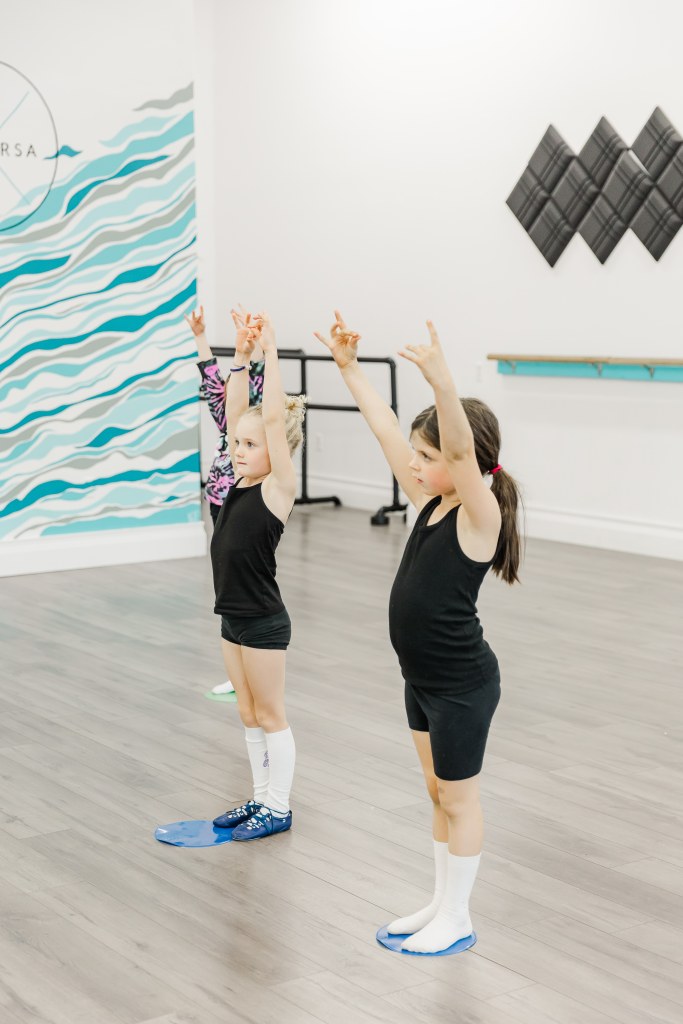
For our littlest dancers, practice should be playful and pressure-free. The goal at this age is to get them comfortable moving and having fun with dance!
- Show Off: Parents, ask your little one to “show off” a move they learned in class. This can be as simple as clapping along to the beat or showing a basic step.
- Dance to Music: If they’re preparing for a recital or just love to groove, put on some music and let them dance along to the rhythm. This can help build their musicality early on.
- Build the Habit: Even if it’s just a few minutes, setting aside “dance time” each week can help establish a routine they’ll carry forward as they grow.
At this stage, it’s all about planting the seeds of excitement and love for dance. The more they associate dance with fun, the more they’ll want to keep practicing!
Ages 7+ (New Dancers): Developing Responsibility
As kids get a bit older and more comfortable with dance, they can start to take on more responsibility with their practice. Parents can still play a guiding role, but now it’s time to encourage a bit more independence.
- Demonstration Time: Have your dancer show you something new they’ve learned each week. Not only is it fun to see their progress, but it also reinforces their confidence in what they know.
- Use Resources: Many studios offer resources, like a Studio Portal, where you can view lesson notes or helpful tips. Encourage your dancer to check these out to help guide their practice.
- Ask Questions: If they’re struggling with a move, encourage them to jot down questions to ask their instructor. This teaches them to be proactive and engaged in their learning.
For new dancers, the focus is on building confidence and familiarity with dance techniques while fostering a bit of independence.
Ages 7-10 (Experienced): Building Discipline and Ownership
As dancers progress, they’re often eager to take on more responsibility and work towards specific goals, whether that’s preparing for competitions or mastering more advanced steps. Here’s how they can up their practice game:
- Take Ownership: Dancers in this age group should start setting aside dedicated practice time. Encourage them to take ownership of their schedule and set small goals for each session.
- Check-Ins: Parents can still do quick check-ins to make sure they’re staying motivated and to see if they need extra support. Communication with instructors can also help if any challenges arise.
- Focused Practice: Encourage them to focus on specific skills they want to improve on. For instance, if they’re working on a new dance step, focus on just that move for part of the practice session.
The key here is consistency and building discipline. Dancers at this level are starting to see the rewards of regular practice and are motivated to continue progressing.
Ages 10+ (Experienced and Passionate): Elevating Practice with Cross-Training
For our older and more experienced dancers, practice becomes more intensive and goal-oriented. Many dancers at this stage are preparing for competitive events, and it’s important to give them the tools they need to succeed.
- Cross-Training: To build strength and stamina, consider adding cross-training activities like yoga, pilates, or even running. This helps improve overall fitness and supports the physical demands of dance.
- Varied Music: Practice doesn’t always have to be to traditional highland tunes. Try dancing to different types of music or even play with the tempo to keep things interesting and challenging.
- Self-Review with Video: Filming practice sessions is a fantastic way for dancers to see their own progress. They can watch for areas to improve on and track their growth over time.
For older dancers, it’s about finding that balance between focus and fun. Cross-training and self-evaluation help them stay engaged and motivated, especially when they’re working towards specific goals.
Beyond Dance: Life Lessons Learned Through Practice
It’s easy to see how practice improves dance skills, but it’s also a powerful tool for life beyond the studio. By committing to a regular practice routine, dancers learn valuable life lessons such as:
- Consistency: Showing up for practice, even on days when it feels tough, teaches resilience and dedication.
- Determination: Dance challenges push students to persevere and grow, even when they face setbacks.
- Work Ethic: Seeing the results of their hard work helps dancers understand the connection between effort and achievement.
These are lessons that will serve them well, whether they’re dancing, studying, or pursuing other goals in life.
Find What Works for You
Remember, every dancer’s journey is unique. Some will thrive with a strict routine, while others might enjoy a more flexible approach. Encourage your dancer to try different practice techniques and find what keeps them motivated and inspired. The most important thing is to keep the joy of dance alive—because, at the end of the day, that’s what it’s all about!
Happy practicing, everyone! And remember, each step, no matter how small, brings you closer to your dance dreams. 👯
Looking to Try Highland Dance?
Saorsa Studio offers highland for all ages 1+, skill levels, and goals. Your first class is on us!

