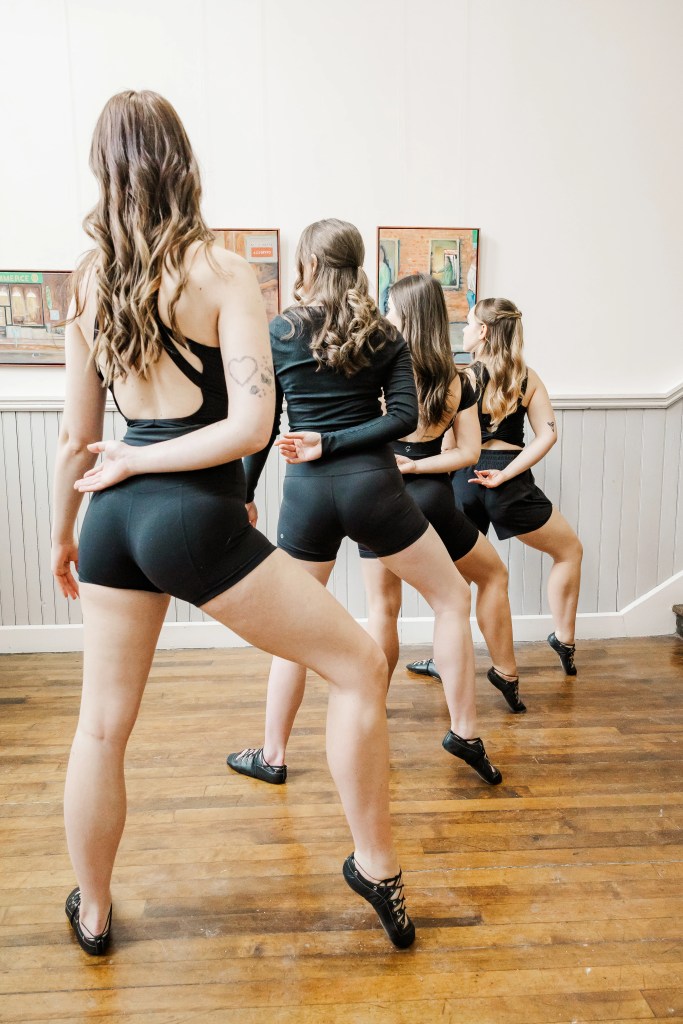
Why Should Dancers Practice At Home?
Any dance teacher will tell their students that the key to improving your dancing is practicing at home. In order to make progress, dancers must take what they’ve learned at the studio and reinforce it at home.
Without practice, dancers end up returning to class and having to relearn material (not as much fun for students OR teachers!)
As dancers get more advanced in their learning, practice becomes even more vital for developing strength and technique.
Without being too dramatic… developing effective practice habits is pretty much the most important thing for ambitious dancers to do.

What Makes a Dance Practice Effective?
Okay, so practice is important. But as many dancers and dance parents will tell you, it can be confusing learning “how to practice”.
What does that even mean? How long should practices last? What should you work on?
The answer to these questions varies for different ages and skill levels. Let’s get into it.
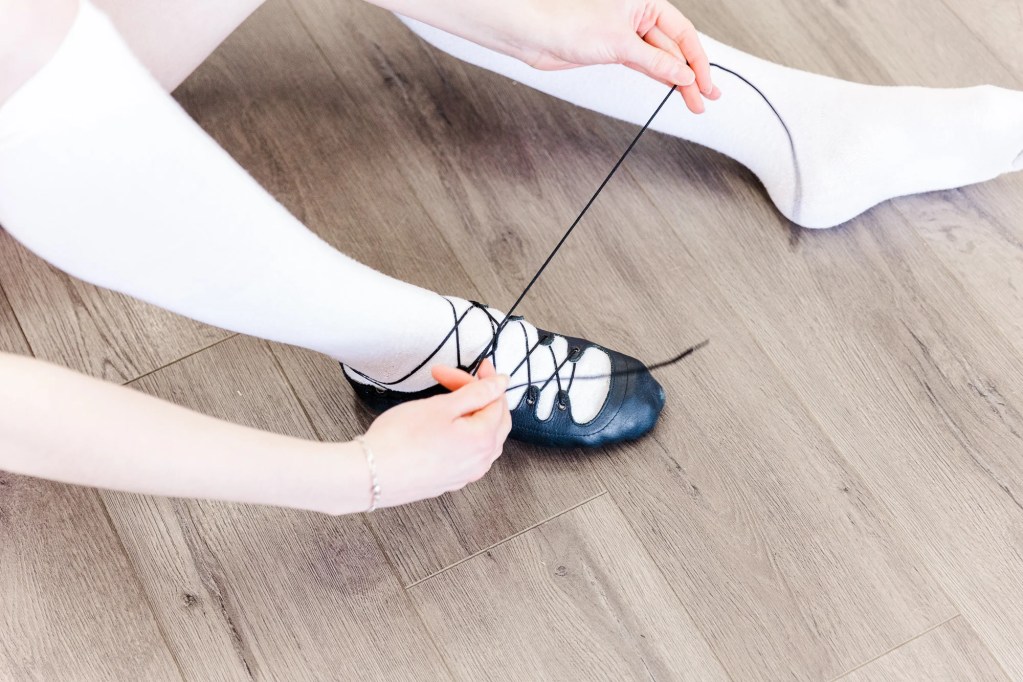
How Dancers Should Practice At Home
Dancers just starting out
For young and beginning dancers, it’s important to reinforce at home what is learned in class. Particularly if dancers are only in the studio once a week; if dancers are waiting a week between dance sessions, it’s likely they’ll forget what they’ve learned!
A simple review at home a few times per week can help solidify what has been learned in class. When dancers get back in the studio, they won’t have to spend valuable class time relearning old material.
Our recommendation for dance parents: Ask your dancer to show you what they learned in dance class this week! Doing this 2-4 times per week will queue your dancer to reinforce their learning and start developing the habit of practicing at home.
Developing dancers looking to improve
As dancers progress, they should begin to be more independent and self-led in their practicing. Their instructor will likely set expectations of how often to practice, and what should be worked on each week.
At home, it’s important to remember to dance just as well as you would in the studio. You’re not just “doing the dance” to do it; you should be dancing your hardest and focusing on your corrections. Even if no one is watching!
Our recommendation for dance parents: Dancers might or might not want you to sit in on their practices, so respect their process. Offer a reminder to practice if needed, and provide support wherever necessary. Asking “what did [instructor] tell you to practice this week?” goes a long way!
Experienced dancers chasing progress
At this stage, dancers know what their instructor wants them to be working on at home. When your instructor gives corrections and ways to work on them, pay attention and follow through at home!
Build and maintain a healthy balance between working hard and recovery time between classes. There’s a difference between practicing a lot and practicing effectively.
Our recommendation for dance parents: Dancers at this level are likely quite independent, but that doesn’t mean they don’t need you! Ask them about their corrections, classes, practices, and if there’s anything you can do to support them. Show interest in their goals, and provide moral support!
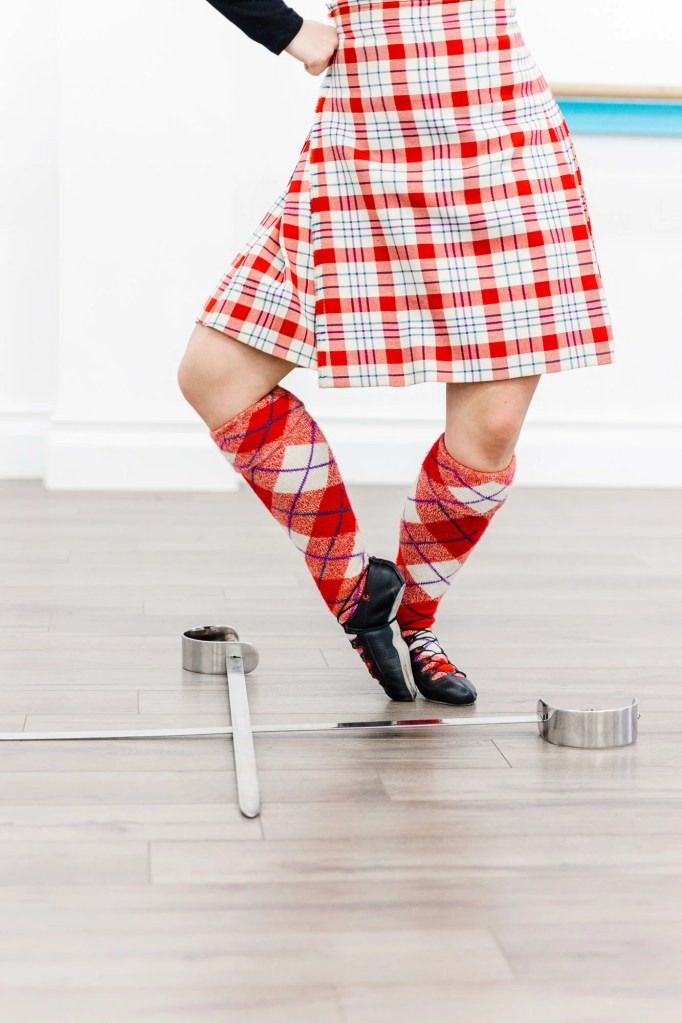
Strategies for At-Home Dance Practices
We asked Saorsa Studio director and highland dance judge, Nicole Odo, for her favourite practice strategies:
- It takes 21 days to make a habit, and I’ve been told you need to repeat something 50 – 400 times a day for it to become muscle memory. Using that rule, I take my list of things to practice, and repeat the corrections CORRECTLY (they don’t count if you aren’t thinking about what you need to fix).
- Not every practice needs to be strictly Highland dance. I enjoy incorporating strength training, HIIT training and more, based on what I’m trying to work on in my dancing. It’s all beneficial, and you can typically find exercises that will support the dance correction you’re working on!
- Pick 1 – 2 days a week that are more focused on cardio / stamina, which means a lot more dancing through the full dances, steps, and maybe HIIT training, to keep your physical performance up!
- Start small and work your way up to big. What I mean by this is take your correction, isolate the smallest version of it to fix it, before working your way up to the whole movement.
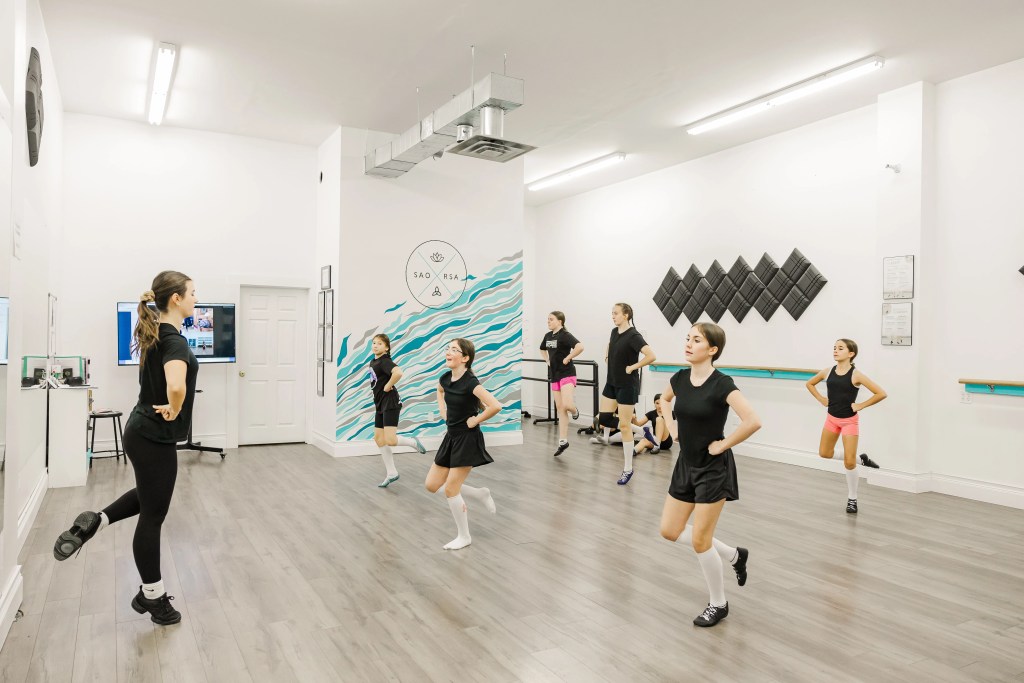
Making an At-Home Practice Space
One of the most essential elements for effective dance practices is having a dedicated space.
You don’t need a fancy home studio space to get a good practice in. All you need is a space to devote to dancing, where the rest of the world can be forgotten. We recommend:
- Proper flooring. Hardwood floors are best, or dance mats. Dancing on tile/concrete is hard on the legs.
- A dance barre or chair nearby
- A mirror

Tracking Your Progress
Everyone learns and practices in different ways, but most dancers benefit from keeping track of their practices and corrections. We recommend:
- A dance notebook. Bring it with you to dance class to write down corrections and practice strategies from your instructor, and then keep track of what you do at home.
- For working on technical corrections: filming yourself! Take a video of a movement you want to fix, and watch it in slow motion to help you understand what needs to be addressed. Then, take weekly videos to visually see your progress and what might still need help.

Practice Booster: Fun Playlists!
We love bagpipes as much as the next girls, but…
If you want to give your practice a little extra ~spice~, check out our practice playlists! We’ve sorted them by tempo, so you can do your marathon Fling to something other than bagpipes.
Practice Booster: Practice Videos
If you’re trying to practice and don’t really know where to start, check out our Practice Video Playlists!
- Basic movement and step practice
- Skill development for young dancers
- Dance demonstrations
- and more!
Happy practicing!
Whether you’re a parent trying to help your Primary dancer, or an Intermediate dancer looking for an extra boost, we wish you the best of luck. Keep working hard in the studio AND at home, and there’s nothing you can’t do!