Your Ultimate Highland Games Guide
Picture this:
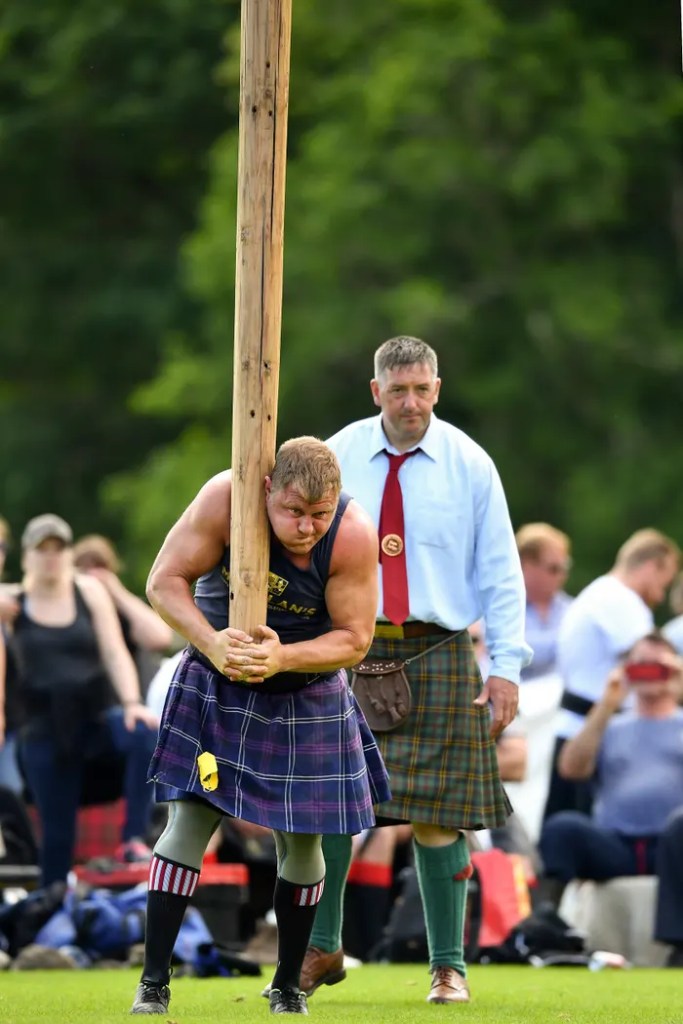
It’s a summer afternoon and you’re sitting in a lawn chair in a field, with 6 different distant bagpipe tunes overlapping in your ears, and you’re watching a big sweaty guy flip a telephone poll.
Think this image can’t get any better?
Think again. The beer tent is behind you.
In this post, we’re breaking down one of our favourite things in the world: Highland Games.
Highland Games are a tradition that has lasted hundreds of years, and it’s no wonder why they’ve stuck around. These festivals of music, athletics, competition, dancing. food, and drink are a celebration of Scottish culture. Games continue to attract visitors around the world and remain a powerful symbol of Scottish identity.
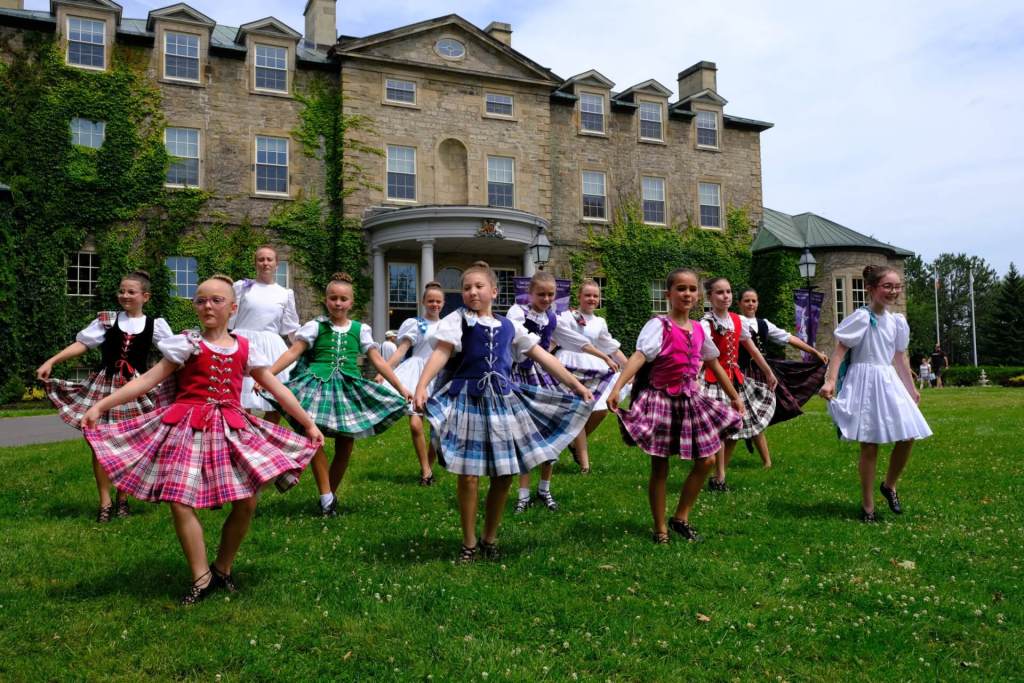
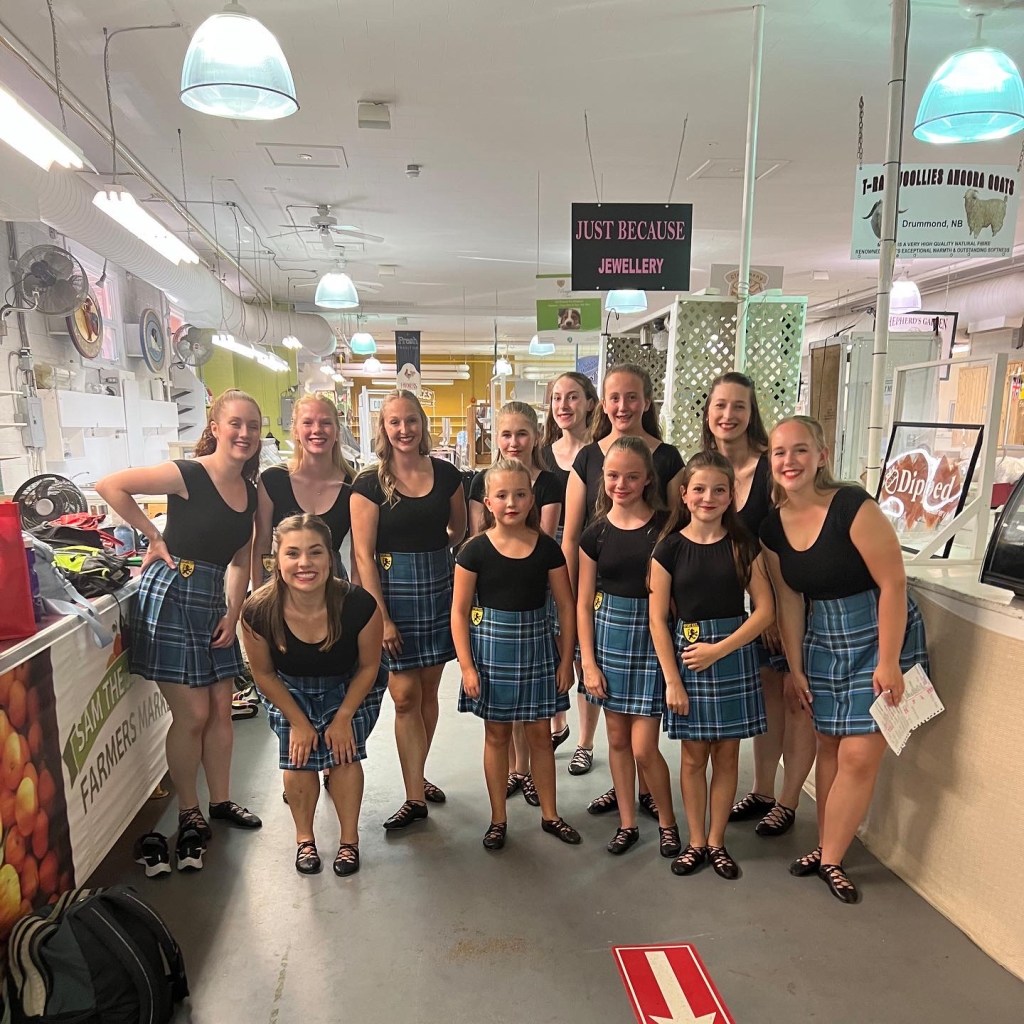
As highland dancers (if this is your first time landing on the Highland Dancer Blog, welcome!) we’ve grown up attending different Games throughout the summers. We show up to compete, but Games always end up being the most fun dance weekends of the year.
The Highland Games are one of Scotland’s most iconic cultural traditions. Whether you’re curious about the history of the Highland Games, planning to attend a Highland Games festival this year, or simply wondering “what the heck are Highland Games?”, this guide covers everything you need to know.
History of Highland Games
Highland Games date back centuries in Scotland’s Highlands, where clan chiefs organized competitions to identify the strongest, fastest, and most skilled warriors. Early events often included running races, feats of strength, and martial exercises used to recruit messengers and soldiers.
Many historians connect the origins of Highland Games to the reign of King Malcolm III in the 11th century, when foot races were reportedly held near Braemar to select royal couriers. Over time, these gatherings became important cultural festivals that included music, dancing, and clan traditions.
The Games declined after the Jacobite Rebellion of 1745, when Scottish customs and Highland dress were restricted under the Act of Proscription. However, the tradition revived in the 19th century, especially during the Victorian era when Queen Victoria popularized Scottish culture throughout Britain.
What Events Happen at Highland Games?
If you’re still wondering “what are highland games?“, this section is for you.
The Games are probably best known for their “heavy events,” which test strength and agility. Some of the most famous competitions include:
- Caber toss
- Hammer throw
- Stone put
- Weight throw
- Sheaf toss
- Tug o’ war
The caber toss is perhaps the most recognizable Highland Games event. Competitors attempt to flip a large wooden pole end-over-end so it lands in a straight line away from the athlete.
Track and field events are also common, including sprinting, distance races, and jumping competitions.
Outside of the heavy events, traditional Games are likely to feature:
- Highland dancing competitions
- Pipe band performances and competitions
- Solo piping and drumming competitions
- Clan parades
Modern Highland Games
Today, Highland Games festivals are held not only in Scotland but also across Canada, the United States, Australia, and other countries with strong Scottish heritage communities.
Highland Games these days tend to combine historical traditions with contemporary festival experiences. Most Games keep the dancing, athletic, and musical competitions and displays. Other events may include:
- Food and drink vendors
- Herding competitions
- Clan and genealogy tents
- Craft fairs and sales
- Whisky tastings
- Kids activities like face painting and carnival games
- Evening concerts
- Historical reenactments
- Free demonstrations and opportunities to learn activities such as drumming or dancing.
Highland Games range from small local events with a few hundred attendees to major multi-day festivals with thousands traveling to visit. Scotland alone hosts dozens of Games annually, while hundreds more are organized worldwide.
In countries like Canada and the United States, Highland Games can help those with Scottish familial ties to stay connected to their community and heritage.
But you definitely don’t need to have Scottish ancestry to enjoy the Games! Any newcomers who wish to experience Scottish culture firsthand are always welcomed.
The popularity of Highland Games continues to grow internationally, with festivals expanding across Europe, North America, and Australia.
Highland Dance at Highland Games
Highland dance is one of the most celebrated traditions at Highland Games festivals. Alongside athletic competitions, dance and piping competitions showcase the artistic side of Scottish culture and preserve centuries-old traditions.
Highland Games often host regular dance competitions, or they can host prestigious Championships.
Wait, what are the different types of competitions?
For example, our local Games, the New Brunswick Highland Games, has previously hosted the Atlantic Canadian Open Championship as part of it’s event programming.
The World Championship of Highland Dance is held at the Cowal Highland Gathering in Dunoon, Scotland each year, keeping the biggest Championship of the year tied to traditional Games!
2026 Highland Games
It’s no wonder there are people who spend entire summers traveling around between Highland Games. Each festival is different, but always comes back to one thing: celebrating the best of Scottish culture.
If 2026 is the year you’ll finally attend a Highland Games festival, there are likely more options than you realize!
Try searching for “highland games near me” and see if your local Scottish cultural association is organizing something.
Whether you’re there to watch the caber toss, listen to bagpipes, compete in Highland dancing, or explore your Scottish ancestry, Highland Games remain one of the world’s most unique cultural celebrations.